A foam roof is only as protected as its coating. Spray polyurethane foam (SPF) is used on flat and low-slope roofs, and a sound one does not need much attention day to day. But the coating on top is what shields the foam from the sun, and it wears out. This guide explains what to inspect, how recoating works, what “ponding” means, and what to ask a contractor.
What a foam roof is
The Insurance Institute for Business & Home Safety (IBHS) describes an SPF roof as a layer of rigid, closed-cell polyurethane foam sprayed on in place, seamless and fully adhered to the roof. The foam acts as both the waterproofing membrane and insulation (IBHS, Roof Guide: Spray Foam (opens in a new tab)). Scottsdale’s homeowner guide, an older city document, notes that foam roofing had been replacing rolled roofing on most flat roofs there (Scottsdale re-roofing guide (opens in a new tab)).
Why the coating matters
According to IBHS, SPF is sensitive to ultraviolet (UV) light. When exposed, the surface first darkens and eventually becomes friable (crumbly), and over time the foam erodes. “Protection of the SPF with a coating and/or other covering material is necessary for longevity of the roofing system,” IBHS says. A coating also adds water resistance.
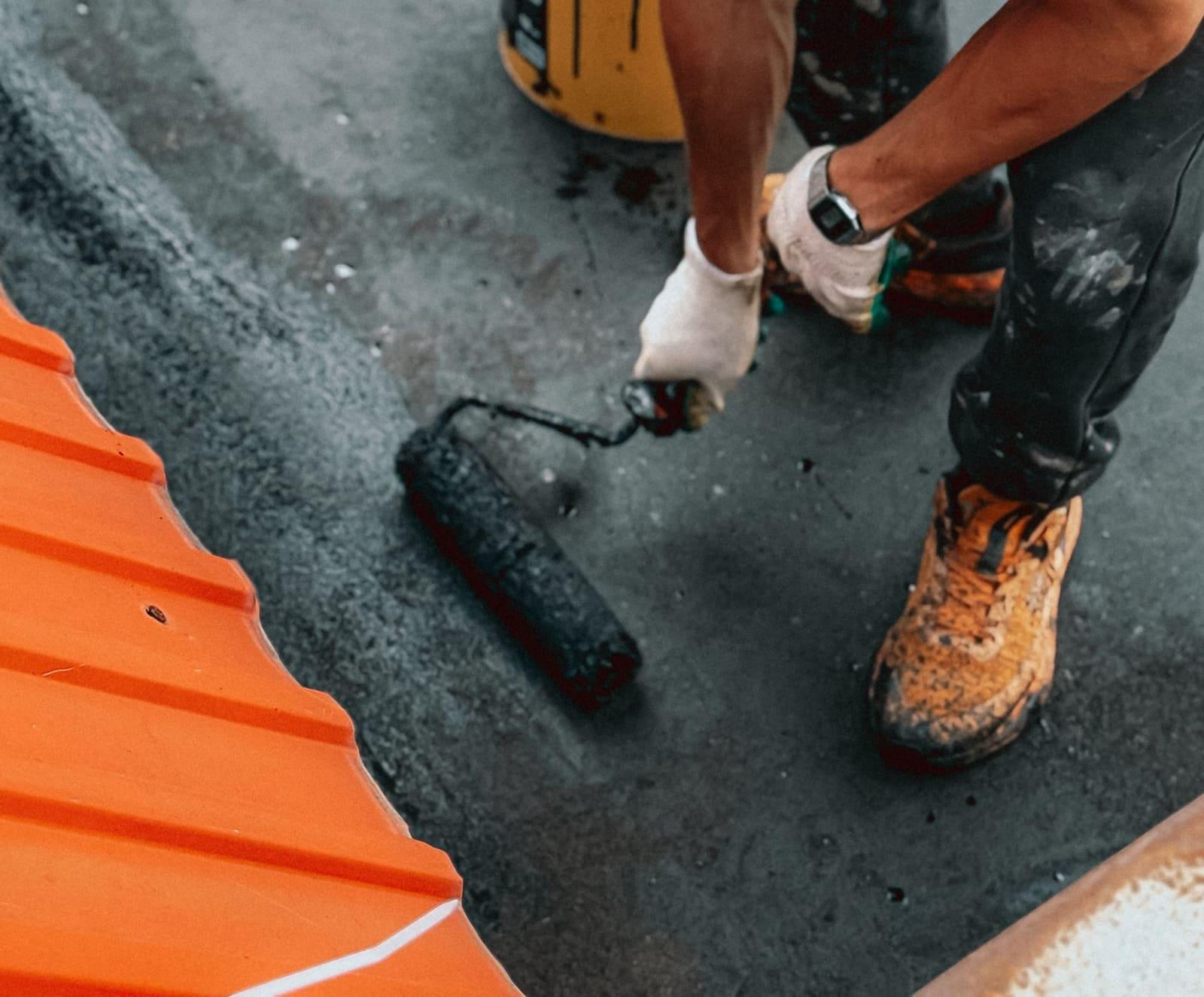
Natural aging, in IBHS’s words, happens as the protective coating becomes thinner, possibly exposing the foam to UV. Thinning areas “can be recoated and refurbished at the end of the coating service life.”
What to inspect, and how often
IBHS recommends two inspections a year, one in spring and one in fall. The list for a roofer (or for you, from a safe spot) includes:
- Coating wear
- Exposed, wet, or cracked foam
- Foam separating from flashings
- Blisters and pinholes
- Mechanical or bird damage
- Clogged drains and gutters, which should be cleaned
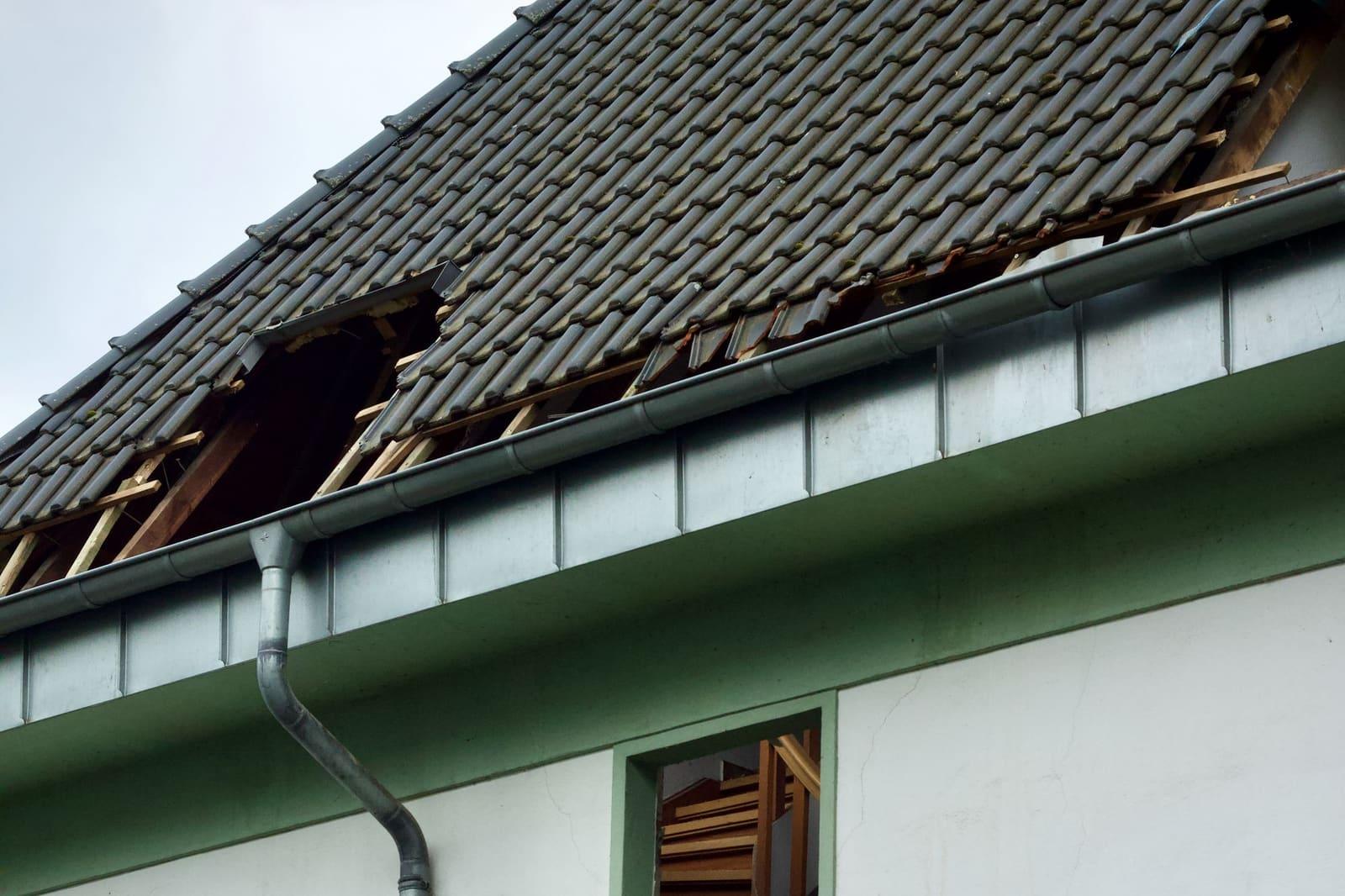
IBHS says small punctures can usually be repaired with a compatible sealant. For more severe problems, it says destructive investigation, such as cutting slits in the foam or taking core samples, may be needed. It also notes that hail and wind-driven debris typically do not make an SPF roof leak, and that damage can usually be repaired without replacing the roof. After a storm, see monsoon roof damage.
Ponding water
IBHS defines ponding as an accumulation of water in low-lying areas that exceeds the manufacturer’s specification or the contract documents, and says it “should be avoided.” It also says “random, inconsequential amounts of residual water” on a roof are acceptable. So a little leftover water is not necessarily a problem, while water that keeps collecting in the same low spot is worth asking about.
Flat roofs are not truly flat. Scottsdale’s guide says even “flat” roofs keep a minimum slope of a quarter inch per foot so water can drain, and IBHS says the foam is typically applied thicker than the minimum in part to enhance drainage patterns. If a roofer finds ponding, ask what is causing it (a clogged drain, a low spot, or something else) and what the plan is, whether that means clearing a drain, building up the area, or another approach.
Recoating
IBHS says historical data indicate maintained SPF roofs can last more than 30 years, and that “the primary technique to assuring the long life of an SPF roof is to inspect it regularly and maintain its protective coating/covering.” It adds that coating systems “generally need to be re-applied every 10 to 20 years (depending on the generic type of coating, the original thickness and other factors).”
Those are general figures from an industry guide, not a schedule for your roof. Your roof’s age, coating type, and condition set the timing. A roofer who inspects the roof should be able to show you the worn areas and explain whether you need spot repairs or a full recoat.
If your coating is a reflective white type, the U.S. Environmental Protection Agency notes that cool roofs may need periodic maintenance to keep them clean and maximize their reflectance, particularly on low-slope roofs (EPA, Using Cool Roofs to Reduce Heat Islands (opens in a new tab)). More on that in Cool Roof Options in Arizona.
Who can do the work in Arizona
Arizona’s rules for residential roofing contractors (the R-42 classification) cover urethane foam and “roof insulation or coatings on or above the roof deck” (Ariz. Admin. Code R4-9-103 (opens in a new tab)). Ask which classification the contractor holds and confirm it on the Registrar of Contractors’ website. See How to Check an Arizona Roofing Contractor’s License.
Questions to ask
- What did you find when you inspected the roof: worn coating, exposed foam, blisters, pinholes, wet spots?
- Is this a spot repair, a recoat, or a bigger job, and why?
- What coating will you use, and does it follow the manufacturer’s instructions for the foam on my roof?
- Is there ponding? What is causing it and how will it be addressed?
- Will you clean the drains and check the flashings?
- Is the existing foam dry? How do you check? (IBHS lists wet foam as something to look for.)
- What maintenance do you recommend, and how often?
- Is there a written warranty, and what does it require me to do?
Next steps
Use Questions to Ask a Roofing Contractor to compare bids, and ask each contractor to put the scope in writing.