A “cool roof” is one that reflects more sunlight and sheds more heat than a conventional roof, and federal agencies say the idea fits hot, sunny climates like ours. It is not the only thing that affects how hot your house gets. Attic ventilation and insulation matter too, and if you live in an HOA, the roof color may not be your call alone. This guide pulls together what the U.S. Department of Energy (DOE), the Environmental Protection Agency (EPA), and ENERGY STAR say, with questions to ask before you choose.
How a cool roof works
Two properties decide how “cool” a roof is. Solar reflectance is the share of sunlight the surface reflects, and thermal emittance is how well it releases the heat it absorbs. Both are measured from 0 to 1, and higher is cooler (DOE, Consumer Guide to Cool Roofs (opens in a new tab)). EPA calls solar reflectance “the most important characteristic,” with emittance also playing a role in warm, sunny climates (EPA, Using Cool Roofs to Reduce Heat Islands (opens in a new tab)).
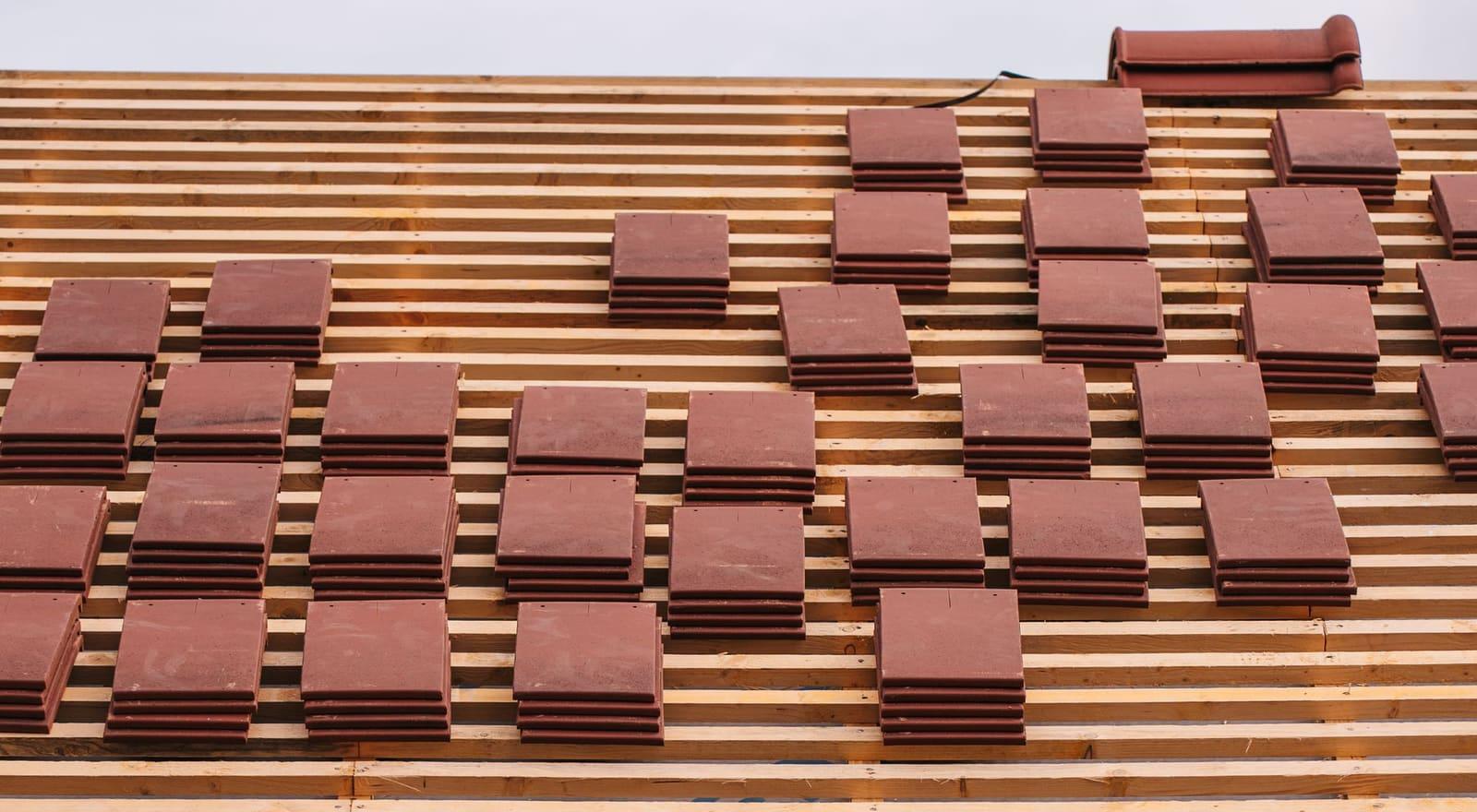
Lighter colors tend to score highest, but ENERGY STAR says newer coatings and materials give other colors high reflectance and emittance too (ENERGY STAR, Cool Roofs (opens in a new tab)). DOE says “cool” versions exist for most traditional roofing materials: for low-slope roofs it lists cool membranes, elastomeric coatings, and metal, and for steep roofs it lists cool asphalt shingle, clay tile, concrete tile, and metal. The Cool Roof Rating Council (CRRC), which ENERGY STAR points to, keeps a database of product ratings you can search by product type and color.
What the agencies say about hot climates
- ENERGY STAR: In general, cool roofs save the most energy in hot, sunny climates like the Southern U.S., on buildings with low levels of roof insulation. It says a clean white roof that reflects 80 percent of sunlight will stay about 50°F cooler than a grey roof reflecting 20 percent, on a typical summer afternoon.
- DOE: In warm or hot climates, a cool roof can reduce the annual air-conditioning energy use of a single-story building by up to 15 percent, and savings depend on factors such as climate and the building.
- EPA: In air-conditioned homes, solar reflectance can reduce peak cooling demand by 11 to 27 percent.
These are estimates from studies, not predictions for your house. Your savings depend on your insulation, your air conditioning, your roof’s shape, and your usage.
When it makes sense
DOE’s guide says cool roofing should be considered whenever construction, an energy retrofit, or a roof replacement is being planned, and adds that “it is rarely economical to replace a mechanically sound roof just to increase its solar reflectance.” In other words, the time to think about it is when you are already choosing a new roof or coating, whether tile, shingle, metal, or a foam or coated flat roof.
Cool roofs also need upkeep. EPA notes that ongoing costs may include periodic cleaning to maintain reflectance, particularly on low-slope roofs, and DOE says roofing loses some of its ability to reflect sunlight over time, so savings should be based on long-term values of reflectance and emittance, not new-product numbers.
Attic ventilation
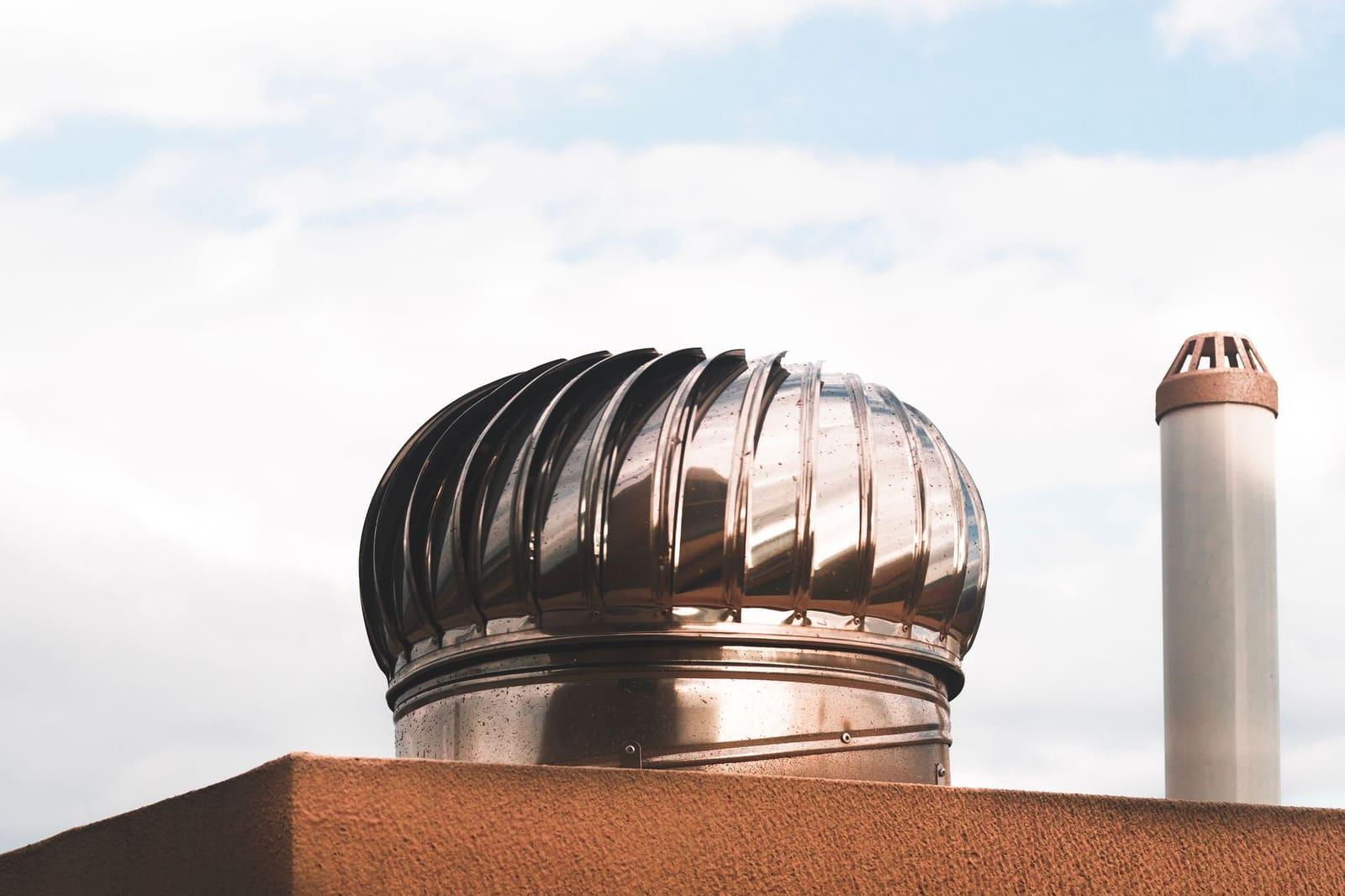
A roof that stays cooler helps, but the attic still matters. Scottsdale’s homeowner guide, an older city document, says proper attic ventilation is essential and warns that in desert heat a closed attic “can be like an oven”; it says repeated heating and cooling can work roof and sheathing nails outward and permit leaks (Scottsdale re-roofing guide (opens in a new tab)). The guide points homeowners to a licensed roofing contractor or the city’s building department for ventilation requirements.
DOE’s attic guide focuses on moisture. It calls moisture the number one enemy of an attic and says improper ventilation “allows moisture to build up and can cause mold, ruin insulation, and damage wood.” It suggests pairing soffit vents with a ridge vent for better effect, and warns against venting kitchen, bathroom, or dryer exhaust into the attic (DOE, Consumer Guide to Durable Attics (opens in a new tab)).
How to ventilate your attic depends on your roof, your insulation, and the building code, so ask the roofer to explain the plan for your house and ask your city if you are unsure. When you are replacing a roof, ask whether vents are being replaced or added and why.
Check your HOA first
If your home is in a planned community, a design review or architectural committee may need to approve a roof change. Arizona’s planned-community law recognizes such committees (A.R.S. 33-1817 (opens in a new tab)). What your committee requires for roof color, material, or reflectivity is spelled out in your community’s documents, so read them and ask the committee before you order materials. Ask for approval in writing.
Questions to ask a roofer
- Which cool-roof options exist for my roof type (tile, shingle, metal, foam or coating)?
- What are the product’s solar reflectance and thermal emittance, and are they from a rating program such as the CRRC? What is the aged rating?
- How will the roof be cleaned and maintained?
- What is the plan for attic ventilation?
- Has the HOA approved this color and product?
- What is covered by the written warranty?
For a full checklist you can use with any roofing contractor, see Questions to Ask a Roofing Contractor.