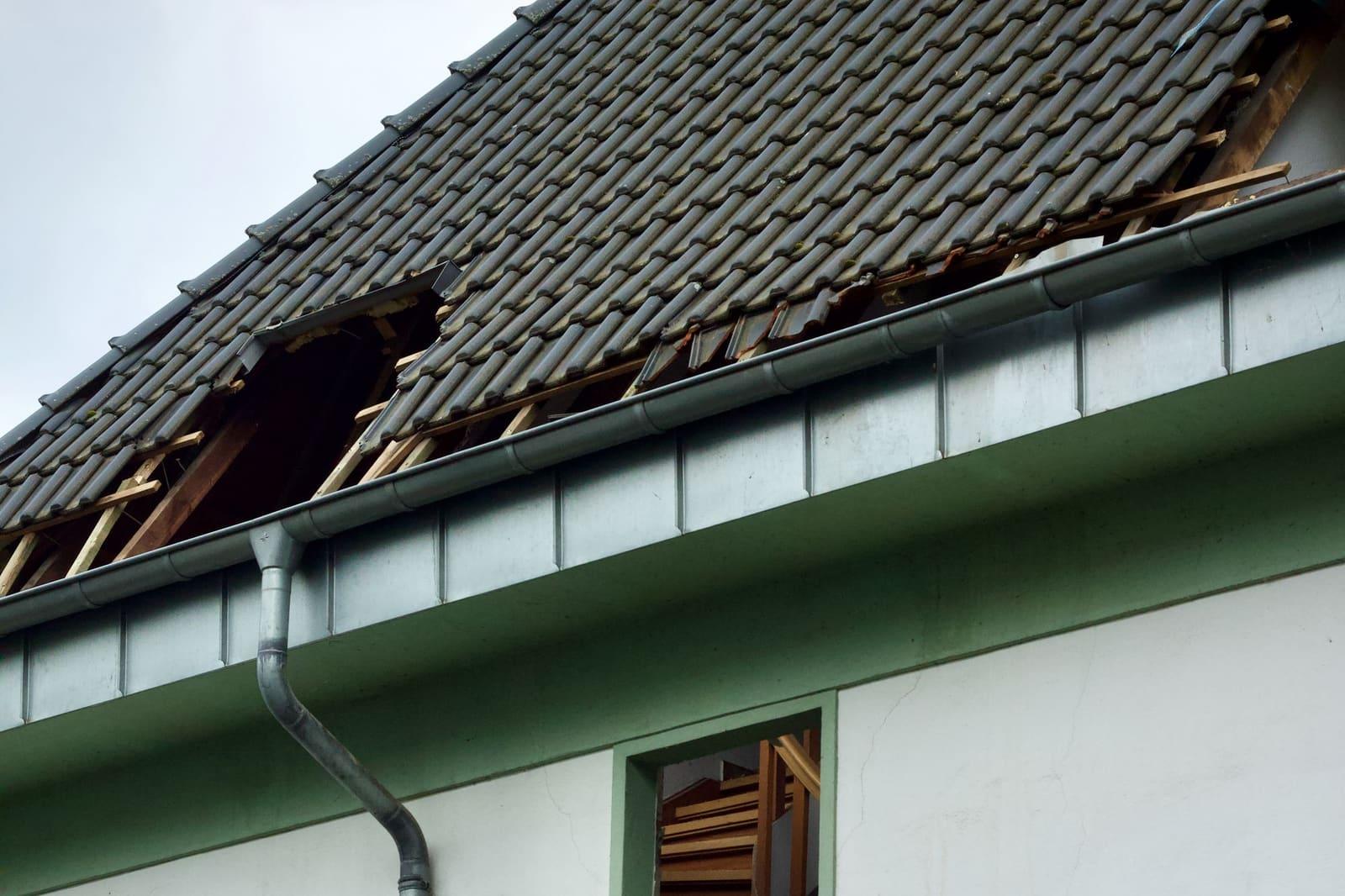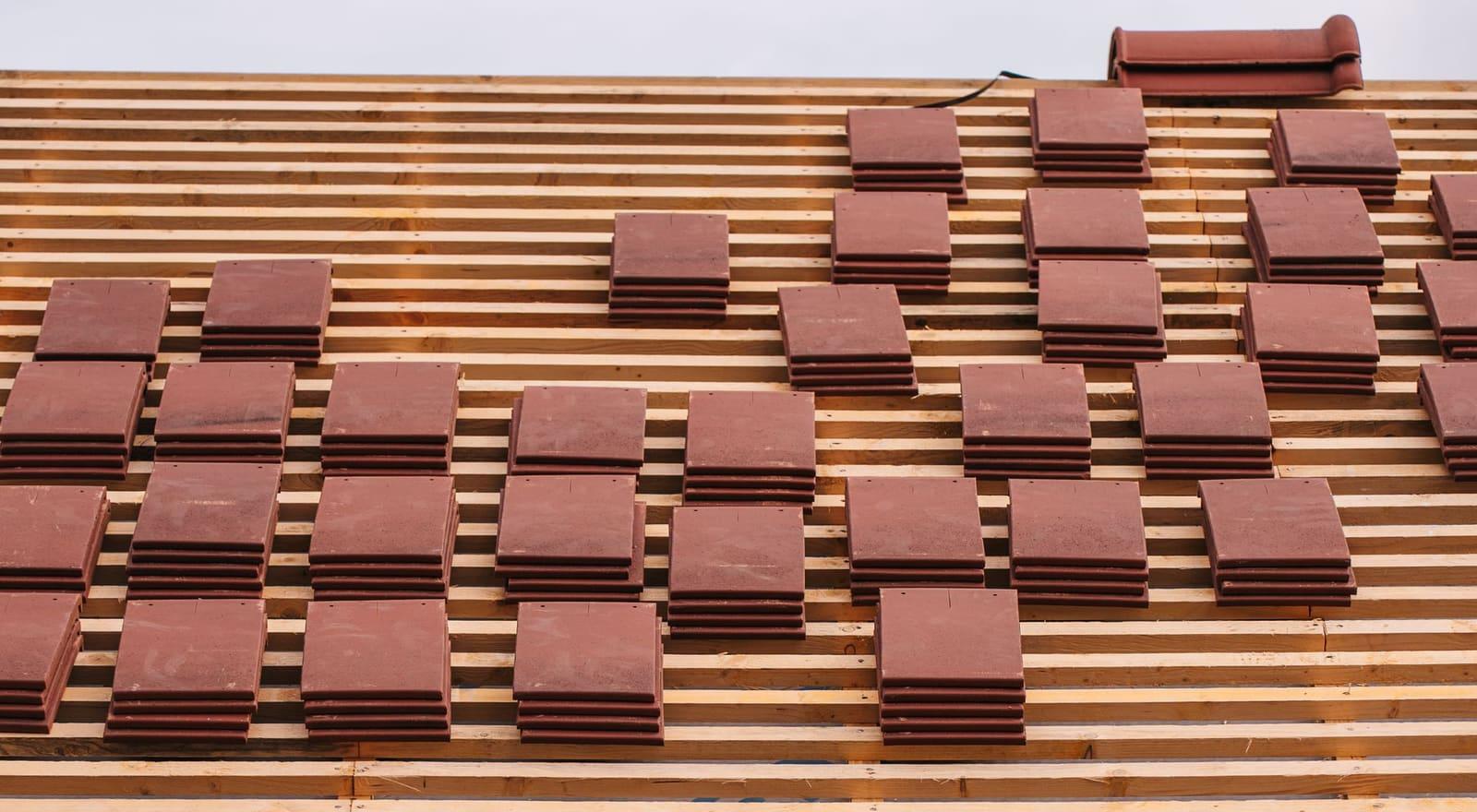
On a tile roof, the tile is not the waterproofing layer. The tiles shed most of the water and shade the roof, but the layer under them, the underlayment, is what keeps leaks out when water gets past a tile. Tile can stay in good shape for a very long time, so the underlayment is often the part that needs attention first. This guide explains what that means, what a “lift-and-relay” is, and what to ask before a roofer lifts a single tile.
What the underlayment does
The City of Mesa’s reroofing guide puts it simply: “Underlayment is a protective layer under roofing to prevent leaks” (Mesa Reroofing Guide (opens in a new tab)). Scottsdale’s older homeowner guide describes it as the moisture barrier laid over the roof sheathing, with metal flashing installed before the underlayment in valleys and where the roof meets a wall (Scottsdale re-roofing guide (opens in a new tab)). On many roofs that underlayment is asphalt-impregnated felt, installed in one or two layers depending on the roof pitch, according to a federal description of clay tile roofing from the National Institute of Standards and Technology (NIST).
Why the layer underneath often wears first
The same NIST product description says clay tile “generally does not need to be replaced; however, the underlayment may need replacement after 10 years to 15 years,” and that when the underlayment is replaced, the tiles are typically reused (NIST, Generic Clay Roofing Tile (opens in a new tab)). The Insurance Institute for Business & Home Safety (IBHS) agrees that clay, concrete, and slate tile change little with time (IBHS (opens in a new tab)).
Treat that as a general rule of thumb, not a deadline for your roof. The NIST document is older, it describes clay tile rather than concrete, and it is not specific to Phoenix. Underlayment type, installation quality, and the condition of the roof deck all change the picture. That is why the useful step is an inspection of your roof, not a number.
Signs worth looking into
Some signs of a roof that is letting water in show up inside the house, in the attic, or at the roof’s edges. The U.S. Department of Energy’s attic guide lists several: wet insulation (especially near the eaves), mold or mildew on attic surfaces, warped or rotting wood in the attic, and warped wood or bubbled paint at the eaves (DOE, Consumer Guide to Durable Attics (opens in a new tab)). If you see any of these, or a stain on a ceiling, describe it to a roofer and ask them to look at the underlayment and flashing, not just the tiles.
Stay off the roof yourself. IBHS warns that improperly walking on a tile roof can crack tiles, and Scottsdale’s guide calls clay and concrete tile “relatively brittle” when walked upon. A good inspector will explain how they plan to get around the roof without breaking tile.
What a lift-and-relay is
A lift-and-relay is the usual fix when the tile is sound but the underlayment is not. In plain terms:
- The tiles are lifted off in sections and set aside. NIST notes that tile removed for underlayment replacement is usually saved on a pallet for reuse on the same building.
- The old underlayment is removed and new underlayment is installed, along with flashing where needed.
- The tiles are laid back down, with replacements for any that break.
Not every tile survives lifting, and not every roof is a good candidate. If tiles are cracked or the deck underneath is damaged, a different scope may make more sense. Ask the roofer to explain why they recommend one or the other.
What they may find under the tile
The roof deck (the sheathing) sits under the underlayment. Mesa’s guide says damaged or deteriorated sheathing “must be repaired or replaced.” Arizona’s licensing rules also draw a line here: a roofing licensee under the residential R-42 classification may replace up to 10 percent of the roof substrate for problems found after the contract is signed, and anything beyond that must be handled by a properly licensed subcontractor (Ariz. Admin. Code R4-9-103 (opens in a new tab)). So before work starts, ask how hidden deck damage will be handled and priced, and get that answer in writing. For more on licenses, see how to check an Arizona roofing contractor’s license.
Flashing and the details
Water often gets in at roof intersections rather than across the open field of tile. Mesa’s guide calls for corrosion-resistant flashing at roof intersections, valleys, chimneys, and walls. When a roofer lifts the tile, ask whether the flashing at those spots is being replaced or reused.
Questions to ask
- Which underlayment will go under the tile, and does the work follow the manufacturer’s instructions? (Mesa’s guide says roof coverings must comply with the building code and manufacturer instructions.)
- Is this a lift-and-relay or a full replacement, and why?
- How will you walk the roof without cracking tile? How are broken tiles handled, and can you match the tile you have?
- What happens if the deck is damaged? Who does that work, and how is it written into the contract?
- Will flashing at valleys, walls, and chimneys be replaced?
- Does the roofer’s Arizona license classification cover roof tile work? (The R-42 roofing classification covers roof tile and its weatherproofing.)
- Who handles the permit, if one is needed?
Where to go next
If your tile roof was hit by a storm, start with what to do after monsoon roof damage. For a full checklist to use when contractors call you back, see Questions to Ask a Roofing Contractor.